

Mature Hairline vs. Receding Hairline: How to Tell the Difference
Dutasteride is better known as a prostate treatment, but could it help with hair loss? Here’s what you need to know.
Read the article3 June 2026
Both medicines reduce DHT (a key driver of male pattern hair loss). Here’s how they compare on strength, evidence, side effects, and safety — in simple terms.
Male pattern hair loss is strongly linked to DHT, a hormone that can shrink hair follicles over time in genetically susceptible men.
Both finasteride and dutasteride are 5‑alpha reductase inhibitors, meaning they reduce the conversion of testosterone into DHT.
The main difference: finasteride targets type II, while dutasteride targets type I and type II, which is one reason dutasteride is often described as the stronger DHT‑reducing option in reviews.
Both medicines have evidence supporting hair improvement in male pattern hair loss. A JAAD meta‑analysis found finasteride (and minoxidil) were effective compared with placebo in men with androgenetic alopecia.
For dutasteride, an updated review notes that oral dutasteride has better efficacy than finasteride with similar tolerability overall, while still calling out that sexual and psychiatric risks should be considered.
There’s also more recent trial evidence for a low dose: a Phase III randomized trial (men with androgenetic alopecia) reported 0.2% dutasteride improved hair count compared with placebo at 24 weeks, with a favorable safety profile in that study. [
Plain English: finasteride is a proven standard option; dutasteride may offer stronger results for some men, but choice depends on suitability and risk tolerance discussed with a clinician.
For dutasteride, official prescribing information lists the most common adverse reactions (≥1% and more than placebo) as:
For finasteride, patient information sources and leaflets describe that side effects are uncommon, but can include reduced sex drive and reduced ability to get an erection.
A review focused on reproductive effects reports that sexual adverse effects are commonly described as uncommon and often resolve, but also notes there is no complete consensus on how often they occur or how long they last in every case.
Dashboard‑style patient wording tip: keep it simple — “If side effects persist or worry you, pause and contact your clinician.”
These are important and easy to miss:
Women who are pregnant or may become pregnant should not handle dutasteride capsules, due to potential risk to a male fetus.
Men taking dutasteride should not donate blood until 6 months after the last dose.
Dutasteride reduces PSA by about 50%, so any confirmed rise from the lowest PSA value should be evaluated. Patients should tell their GP/clinician they are taking it before PSA testing.
This isn’t something a blog should “prescribe,” but here’s a practical way to frame it:
Safety rules around dutasteride (pregnancy handling, PSA changes, blood donation) are non‑negotiable and should be clearly shown in patient information.
General educational information, not an individual treatment recommendation. Relevant guidance: NHS hair loss and MHRA medicine safety update. Follow your clinician’s advice and your own patient leaflet.
Practical guides and clinical insights on Dutasteride, minoxidil, and long-term hair loss care.
↗Dutasteride is better known as a prostate treatment, but could it help with hair loss? Here’s what you need to know.
Read the article ↗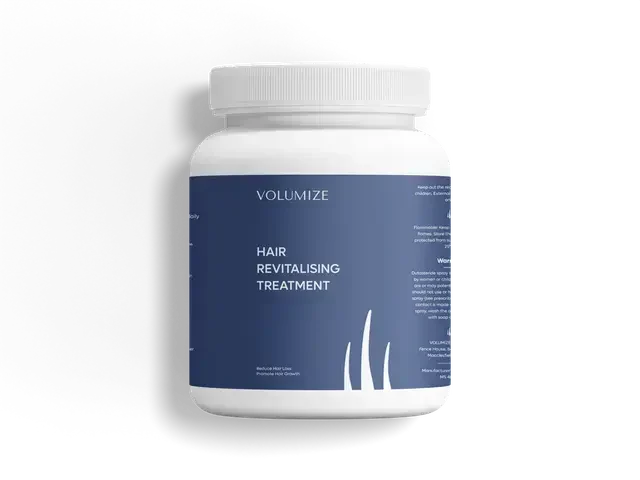 ↗
Hair loss is common — and in many cases, treatable. Here’s a simple, evidence based guide to slowing (and sometimes reversing) male pattern hair loss.
Read the article ↗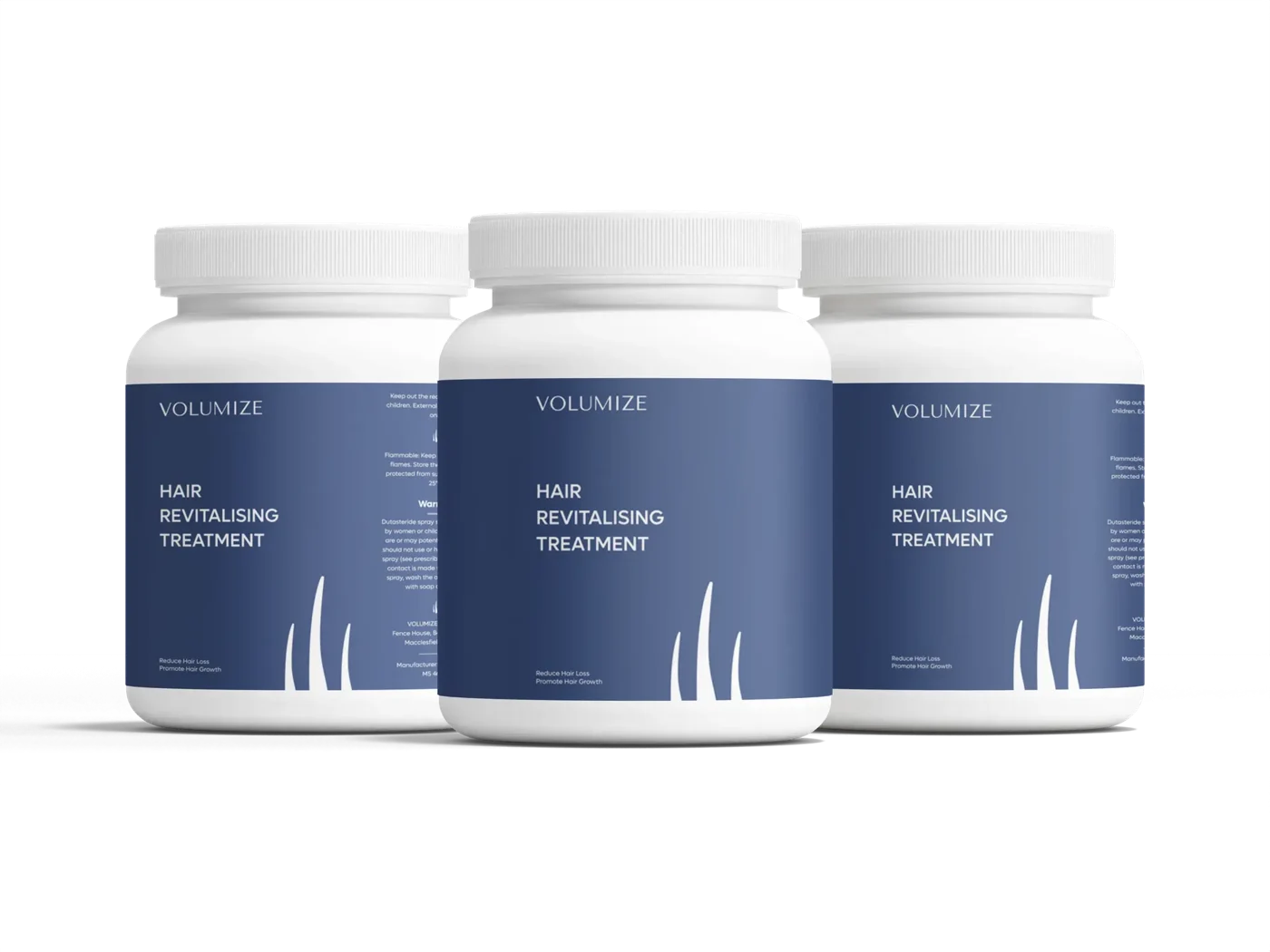 ↗
Both medicines reduce DHT (a key driver of male pattern hair loss). Here’s how they compare on strength, evidence, side effects, and safety — in simple terms.
Read the article ↗Understand your hair loss. Explore your options.
Start with a clinician-guided assessment.
For men aged 18+. Clinical assessment required. Results vary.