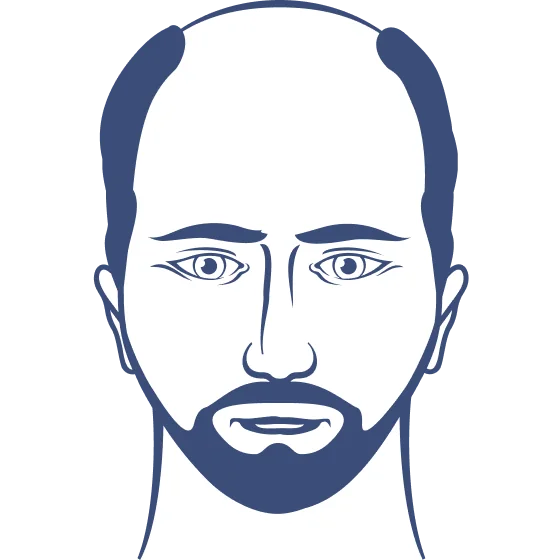
Reset
Visible change may be minimal; temporary shedding can occur as follicles cycle.

Understand the common pattern, the hair cycle and when to seek advice.
Male pattern hair loss often develops gradually at the temples and crown. Follicles become smaller and produce finer hairs. Family history can be relevant, but a clinician should consider the pattern and other possible causes.
Illness, stress, medicines, nutritional problems and scalp conditions can also affect hair. Sudden or patchy loss is different from a gradual pattern and deserves assessment.
The most useful next step is a clear diagnosis and a discussion of the benefits, risks and effort of treatment. Capsule and topical routines have different considerations. No treatment works for everyone.
Hair loss can affect confidence. Tell your clinician how it affects you and seek support when it is causing distress.
General information: NHS hair loss guidance. Your clinical assessment and patient leaflet take priority for treatment decisions.
Give your routine time. Progress is gradual and everyone responds differently.

Visible change may be minimal; temporary shedding can occur as follicles cycle.
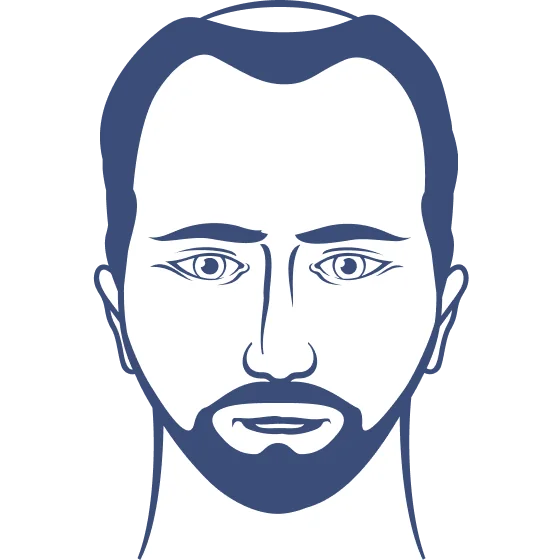
Shedding often settles; early thickening may appear.
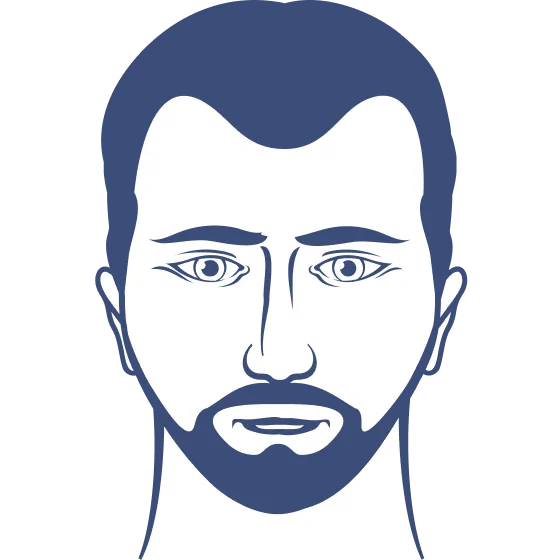
Many responders notice fuller coverage; continued use helps maintain results. Varies by person.
Take regular photos in similar lighting and bring them to your progress review.
Understand your hair loss. Explore your options.
Start with a clinician-guided assessment.
For men aged 18+. Clinical assessment required. Results vary.
